Watercolor Wildflower Clipart Bundle: Editorial Illustrations
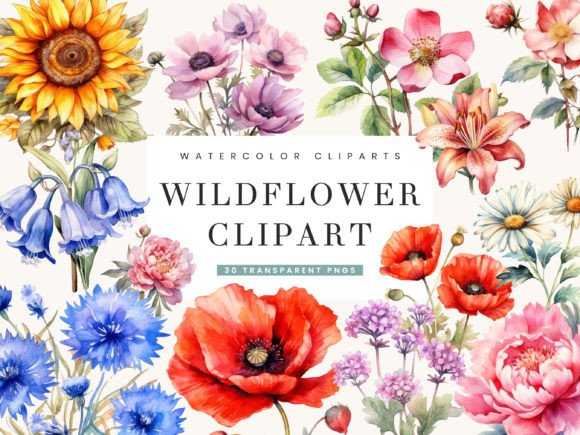
As a digital publisher and blog designer, my first interaction with any new graphic design asset is strictly functional. I need to know if it will survive the rigors of a real content workflow. When I opened the Watercolor Wildflower Clipart Bundle, the immediate impression was one of organic sophistication rather than childish craft. This distinction is vital for editorial design. The illustrations possess a muted, botanical accuracy that signals professionalism and trust to readers in the lifestyle, wellness, gardening, and sustainable living niches. Unlike generic vector flowers, these watercolors carry texture and imperfection that mimic traditional media, creating an emotional connection before the reader even processes the headline.
This asset naturally supports content that aims to feel personal yet polished. It avoids the sterile look of stock photography while maintaining enough visual weight to anchor a website header or featured image. For publishers focusing on slow living, natural beauty, or artisanal products, this bundle establishes an immediate mood of calm authority. It feels feminine without being juvenile, and artistic without sacrificing readability. In my assessment, this is a high-value asset for creators who need to bridge the gap between hobbyist aesthetics and professional content marketing.
Deploying Botanical Assets Across Publishing Workflows
In a real publishing environment, versatility determines ROI. I tested the Watercolor Wildflower Clipart Bundle across multiple formats to see how it performs under pressure. For blog graphics, individual stems work exceptionally well as corner accents or dividers between text blocks, breaking up long-form content without distracting from the copy. When composing a Pinterest pin, the larger cluster arrangements provide necessary negative space for bold typography, which is essential for click-through performance on that platform.
Beyond standard articles, this bundle shines in digital product creation. I found the isolated elements perfect for designing lead magnet covers and worksheet headers. Because the watercolor style implies value and care, it elevates freebies like checklists or mini-guides into perceived premium resources. For newsletter creators, using a consistent floral motif in email headers reinforces brand identity and increases recognition in crowded inboxes. Affiliate marketers will appreciate that these illustrations soften sales-heavy pages, making product recommendations feel more like friendly advice and less like aggressive advertising.
Enhancing Visual Hierarchy and Reader Trust
Visual communication is not just about decoration; it is about guiding the eye. The Watercolor Wildflower Clipart Bundle aids visual hierarchy by providing organic directional cues. A sweeping branch can lead a reader’s gaze toward a call-to-action button or a key takeaway box. In web design, this subtle guidance improves user experience and time-on-page metrics. Furthermore, custom illustration signals to readers that a site is curated and maintained by humans, not automated scrapers. This builds the trust necessary for affiliate marketing conversions and community building.
Consistency is another performance metric. Using a unified set of design assets across category thumbnails, social media previews, and article headers creates a cohesive ecosystem. When a subscriber sees your social media graphics on Instagram, they should instantly recognize the aesthetic as yours when they land on your blog. This bundle provides enough variation to prevent fatigue while maintaining a strict stylistic through-line that strengthens small business branding.
Optimal Placement for Maximum Editorial Impact
Through testing, I have identified specific zones where this Watercolor Wildflower Clipart Bundle delivers the highest return. Hero images benefit immensely from layered florals behind semi-transparent color blocks, allowing white text to remain legible against complex textures. Article thumbnails featuring single, centered blooms perform well in grid layouts because they scale down clearly. Printable design projects, such as planners or journals, utilize the high-resolution nature of these files to ensure crisp printing at various sizes.
Editorial accents are perhaps the strongest use case. Placing small buds next to pull quotes or sidebar opt-in forms adds polish without consuming valuable screen real estate. For Canva template creators, these elements serve as foundational building blocks that users can drag and drop to customize their own branded content. Digital guides and eBook covers also benefit from full-bleed arrangements that suggest abundance and growth, aligning perfectly with educational or transformational content themes.
Navigating Limitations and Contextual Risks
No asset is universal, and knowing where not to use this bundle is as important as knowing where to use it. Avoid placing detailed watercolors in very small mobile thumbnails; the intricate brushwork turns to mud at low resolutions. Text-heavy blog images require caution; if the background is too busy, accessibility scores drop and readability suffers. Always prioritize contrast over decoration.
Context matters significantly. While perfect for lifestyle and creative niches, these illustrations may undermine credibility in highly technical, corporate, or financial sectors where precision and minimalism signal expertise. If your website relies on a stark, brutalist modern design system, soft watercolors might create visual dissonance. Additionally, be mindful of cultural associations; ensure the specific flower varieties depicted align with your audience's regional context and seasonal expectations to avoid alienating knowledgeable readers.
Publisher Notes: Technical Checks and Licensing
Before integrating the Watercolor Wildflower Clipart Bundle into live projects, run through this practical checklist to ensure professional standards:
- Cross-Device Testing: Preview graphics on both desktop monitors and mobile phones. Colors shift between screens, and details visible on a 27-inch display may vanish on a smartphone.
- Typography Pairing: Test the clipart beside serif fonts for a classic editorial look, sans-serif for modern clarity, and script fonts for a personal touch. Ensure the organic shapes do not fight with decorative typefaces.
- Contrast Verification: Use accessibility tools to verify text placed over or near the illustrations meets WCAG standards. Darken backgrounds or add drop shadows to text if necessary.
- File Optimization: Watercolor textures can result in large file sizes. Always compress PNGs for web use to maintain site speed without losing visible quality. Consider converting simple accents to WebP format.
- Monochrome Check: View designs in grayscale to ensure they hold up in print contexts or for users with visual impairments. Good design works without color.
- Licensing Compliance: Confirm the commercial license terms specifically cover your intended use, especially for paid digital download products or client work. Never assume rights transfer automatically.
Ultimately, the Watercolor Wildflower Clipart Bundle is a robust tool for the serious digital publisher. It offers the warmth of hand-painted art with the utility required for scalable creative design. By applying it strategically within your visual hierarchy and respecting its stylistic boundaries, you can elevate your content from generic to memorable. Whether you are crafting a digital guide, refreshing your blog's aesthetic, or building a library of Canva template assets, this collection provides the botanical elegance needed to stand out in a saturated creative marketplace. Treat it not just as decoration, but as a core component of your editorial voice and brand strategy.