Watercolor Blue Butterflies: An Embroidery Review
As a professional embroidery designer and product reviewer, I approach every new machine embroidery design with a critical eye. It is not enough for a digital file to look beautiful on a screen; it must translate into thread, texture, and tangible value. When evaluating the Watercolor Blue Butterflies collection, my primary focus is how these artistic illustrations perform when needle meets fabric. This review breaks down the practical realities of using this design in real-world projects, from custom apparel to commercial merchandise, ensuring you can make informed decisions before stitching or selling.
First Impressions and Artistic Translation
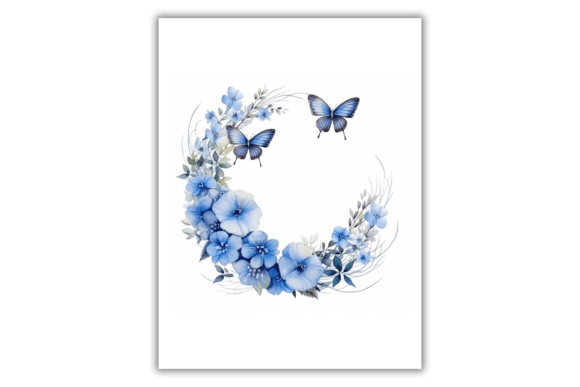
The initial appeal of Watercolor Blue Butterflies lies in its soft, organic aesthetic. Unlike rigid, geometric vector art, watercolor-style embroidery relies on nuanced color blending and variable stitch lengths to mimic paint. As an illustration category asset, this design carries a distinct mood: ethereal, gentle, and nostalgic. For a maker or Etsy seller, this visual personality immediately suggests specific niches such as nursery decor, springtime fashion, and personalized gifts.
However, translating watercolor effects into stitches requires technical precision. Upon inspecting the design structure, I look for how the digitizer handled gradients. A successful watercolor embroidery file uses layered fill stitches with varying densities rather than heavy satin stitches to create depth. If the design is too dense, it loses that airy, painted quality and becomes a stiff patch. The Watercolor Blue Butterflies design appears to balance artistic intent with structural integrity, but verifying the stitch density on your specific machine is always the first step.
Real-World Application: The Custom Tote Bag Test
To truly evaluate this design, I applied it to a common small shop product: a natural canvas tote bag. This scenario tests both durability and aesthetic placement. Canvas has a distinct fabric texture that can sometimes interfere with fine details in machine embroidery designs.
For this project, I positioned the butterfly slightly off-center to allow for personalization. The blue tones provided excellent contrast against the unbleached canvas, creating a high-end, boutique feel. During stitching, the design’s reliance on fill stitches rather than heavy outlines allowed the fabric to retain some flexibility. This is crucial for tote bags, which need to fold and move without cracking stiff embroidery. The result was a handmade product that felt curated rather than mass-produced. For craft business owners, this level of finish justifies a higher price point and builds customer trust in your brand consistency.
Ideal Use Cases for Commercial and Personal Projects
Based on the visual weight and theme of Watercolor Blue Butterflies, this design excels in several specific applications:
- Baby Embroidery: The soft blues and delicate nature make this perfect for onesies, bibs, and nursery blankets. Ensure you use a tear-away stabilizer to keep the back smooth against sensitive skin.
- Sweatshirt Embroidery: Placed on the chest or sleeve, these butterflies add a trendy, cottage-core vibe to fleece garments. The design scales well for adult apparel without looking childish.
- Holiday Embroidery: While inherently spring-like, these butterflies work beautifully for Easter baskets or Mother’s Day gifts. They offer a fresh alternative to traditional holiday motifs.
- Digital Product Previews: For sellers of digital embroidery files, this design creates stunning printable mockups. The watercolor style photographs well, making it easier to market design assets online.
- Tea Towels and Linens: The absorbency of linen complements the watercolor aesthetic. Just ensure proper hooping to prevent distortion on lightweight fabrics.
Technical Considerations and Fabric Limitations
While versatile, Watercolor Blue Butterflies demands respect for fabric physics. Not every material is a suitable canvas for this type of detailed illustration. Understanding where to use caution prevents wasted materials and frustrated customers.
Navigating Stretchy and Textured Fabrics
If you are planning sweatshirt embroidery or working with knit t-shirts, stabilization is non-negotiable. Watercolor designs often have complex color changes and directional stitching. On stretchy fabric, this can cause puckering if the stabilizer is insufficient. I recommend a cut-away stabilizer for knits to support the stitch density permanently. Always test on scrap fabric first to see if the design pulls or distorts.
Dark Fabrics and Color Contrast
This design features specific blue hues intended to simulate transparency. On dark fabrics like navy or black, these subtle shades may disappear or look muddy unless you adjust thread colors. Before committing to a dark garment, run a black-and-white mockup or a physical test stitch. You may need to lighten the thread palette significantly to maintain the watercolor illusion. This extra step ensures the finished product matches the customer's expectation set by your digital preview.
Small Hoop Sizes and Detail Loss
Resizing is a common necessity, but watercolor embroidery is sensitive to scaling. Reducing Watercolor Blue Butterflies to fit a small hoop size (like 4x4) risks losing the gradient definition. Fill stitches can merge, turning a delicate wing into a solid block of color. If you must resize down, check the minimum recommended dimensions provided by the digitizer. Conversely, enlarging the design too much can expose gaps between stitch rows. Stick to the intended size range for optimal clarity.
Professional Designer Notes for Success
To maximize the potential of this design in your embroidery project workflow, consider these practical tips derived from production experience:
- Verify Licensing: Before listing any finished product or reselling the digital embroidery file, confirm the license terms. Some illustration assets allow for commercial use on physical goods but prohibit sharing the file itself.
- Thread Color Matching: Watercolor effects depend entirely on accurate shading. Do not substitute thread colors arbitrarily. If you lack a specific shade, test a blend or a lighter/darker alternative on scrap fabric before stitching the final piece.
- Stabilizer Selection: Match your stabilizer to the fabric, not just the design. Lightweight cotton needs tear-away; stretchy knits need cut-away; sheer fabrics might require water-soluble topping to prevent stitches from sinking.
- Mockup Accuracy: When creating listings for Etsy or your own site, use realistic mockups. Avoid over-saturating the image. Customers appreciate seeing how the embroidery actually sits on the fabric texture, including any minor imperfections that prove it is handmade.
- Wash Testing: If selling baby items or apparel, wash your test sample. Watercolor fills can sometimes fray or pull after laundering if the density is too low. Ensuring durability protects your reputation as a quality maker.
Elevating Your Handmade Business
Incorporating Watercolor Blue Butterflies into your catalog offers more than just a pretty picture; it offers a pathway to elevated product presentation. For creative entrepreneurs, the difference between a generic embroidered item and a sought-after boutique piece often lies in the sophistication of the design choice. This collection bridges the gap between digital art and textile craft effectively.
Whether you are creating a personalized gift for a client or building inventory for a craft fair, treat this design as a premium asset. Pay attention to the interplay of thread colors, fabric texture, and stabilization. By approaching Watercolor Blue Butterflies with technical diligence and artistic sensitivity, you ensure that every stitch contributes to a professional, valuable, and beautiful finished product. Always remember to check the specific file details and compatibility with your machine before beginning, as individual setups vary. Happy stitching!