Vintage Teashop Illustrations for Crafters
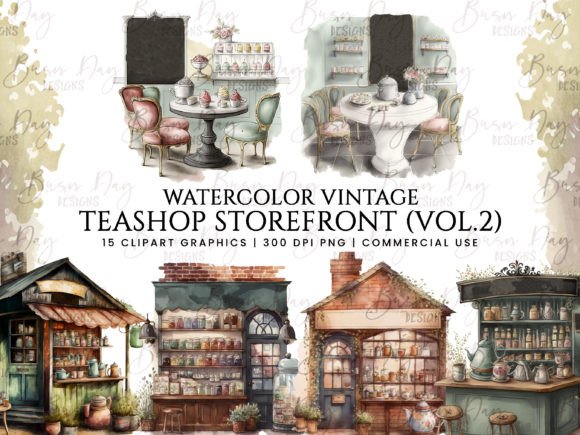
As a handmade business owner who has spent years navigating the intersection of digital design and physical crafting, I approach every new graphic design asset with a healthy dose of skepticism. We have all downloaded files that looked stunning on a screen but failed miserably when sent to the printer or the cutting mat. When I first opened the Watercolor Vintage Teashop Storefronts collection, my immediate reaction was one of nostalgic warmth. These illustrations do not just depict buildings; they evoke a specific mood of cozy elegance and timeless charm that is currently dominating the Etsy product landscape.
The aesthetic here is distinctly feminine yet sophisticated, striking a balance between rustic cottagecore and refined vintage nostalgia. For those of us running small business branding or creating seasonal collections, this style attracts a buyer who values sentimentality and artisanal quality. It feels premium rather than playful, suggesting it is best suited for customers looking for wedding stationery, heritage-style home decor, or boutique packaging. As I reviewed these illustrations, I immediately began mentally sorting them into viable products for my upcoming craft fair inventory and online shop listings.
Translating Digital Art to Physical Cricut Projects
The true test of any SVG design is how it behaves in design software and on the cutting mat. In my workflow testing these Watercolor Vintage Teashop Storefronts, I found they excel in specific Cricut project applications while requiring caution in others. For vinyl cutting, the larger architectural elements are beautiful, but you must be wary of intricate window panes and delicate floral accents. Watercolor textures often translate into jagged vector paths when converted to SVG. Before committing to a large batch of t-shirt design or tote bag production, I strongly recommend simplifying the nodes in your design software.
For Silhouette project users, these illustrations work beautifully as print-then-cut stickers. The watercolor edges provide a natural bleed line that makes alignment far more forgiving than crisp vector art. I successfully created planner stickers and journal embellishments by pairing the storefronts with a simple serif font. However, if you plan to use these for layered vinyl projects, proceed with care. The organic nature of watercolor clipart does not always lend itself to clean registration marks needed for multi-layer alignment. These designs shine brightest when treated as single-layer prints or sublimation design transfers where the texture can be preserved without cutting limitations.
Best Applications for Sublimation and Printable Design
Where this graphic design asset truly outperforms standard vector art is in sublimation and printable design workflows. Watercolor relies on color blending and soft gradients that are lost in vinyl but celebrated in ink. I tested these illustrations on both ceramic mug design blanks and polyester tumbler wrap templates. The results were exceptional because the vintage teashop aesthetic naturally complements the curved surfaces of drinkware. The muted tones and weathered textures hide minor pressing imperfections better than bold, solid-color graphics.
For creators focusing on digital products or printable wall art, these illustrations serve as excellent focal points. I envision them anchoring a gallery wall set or serving as the header for a wedding program template. When using them for printable design, ensure you are working at 300 DPI. While the preview images might look sharp, always zoom in to 100% to check for pixelation before listing an Etsy product. For handmade business owners offering custom stationery, these storefronts pair effortlessly with cream cardstock and gold foil accents, creating a high-perceived value item that justifies a premium price point.
Strategic Product Pairing and Font Selection
A standalone illustration rarely sells a product; it is the combination of assets that creates a cohesive commercial design. During my review, I found that Watercolor Vintage Teashop Storefronts demand specific typographic partners. Avoid bubbly or overly modern sans-serif fonts, as they clash with the historic weight of the artwork. Instead, opt for elegant script fonts for accent text and traditional serif typefaces for primary headlines. This typography pairing reinforces the vintage narrative and ensures your sticker design or greeting cards feel intentional rather than haphazard.
Consider the negative space within these illustrations. Many vintage storefront designs include sky or pavement areas that are perfect for personalization. For a small business branding project, this space allows you to add a client’s name or a business tagline without obscuring the art. I used this technique to create personalized gift tags for a local bakery collaboration, placing their logo subtly above the teashop awning. This versatility makes the design bundle a valuable investment for creative entrepreneurs who need adaptable assets for various client needs.
Navigating Technical Limitations and Licensing
Honesty is vital in the crafting community, so let us discuss where these illustrations require careful handling. Due to the detailed nature of vintage architecture, these files can be heavy. If you are designing for print-on-demand platforms or web-based design tools, you may experience lag. Always optimize your PNG design files before uploading to marketplaces. Additionally, check the contrast against your intended substrate. Watercolors can appear washed out on dark fabrics or uncoated wood. I recommend testing on a scrap piece first or adding a subtle white under-base layer if printing on colored materials.
Crucially, verify the commercial license before integrating these into your handmade business revenue stream. Not all design assets allow for unlimited end-product sales or digital redistribution. Confirm whether the license covers physical products like mugs and shirts versus digital templates. Understanding these boundaries protects your shop from copyright issues. Also, remember that while these illustrations are versatile, they are culturally specific. They work wonderfully for English tea themes, European travel souvenirs, or historical society fundraisers, but may feel out of place for modern tech branding or tropical summer collections.
Final Verdict for Handmade Sellers
After thorough testing across multiple mediums, Watercolor Vintage Teashop Storefronts prove to be a robust addition to a crafter’s library. They offer a distinct visual identity that separates handmade goods from generic mass-produced items. For the Etsy seller looking to capture the cottagecore or dark academia demographic, these illustrations provide an immediate aesthetic shortcut. For the hobby maker, they offer inspiring bases for scrapbooking and card making that elevate simple projects to heirloom quality.
Success with this asset lies in respecting its medium. Treat it as a painting first and a cut file second. Prioritize sublimation and print applications over complex vinyl layering. Test your colors, simplify your vectors, and pair your typography thoughtfully. When executed correctly, these vintage teashop illustrations do more than decorate a product; they tell a story that resonates with buyers seeking connection and craftsmanship in a digital world. Whether you are preparing for a holiday market or refreshing your online catalog, this collection offers the authentic charm necessary to build a loyal customer base in the competitive handmade marketplace.